INSIDE TB PROPERTIES BUYS LAND SERIES:
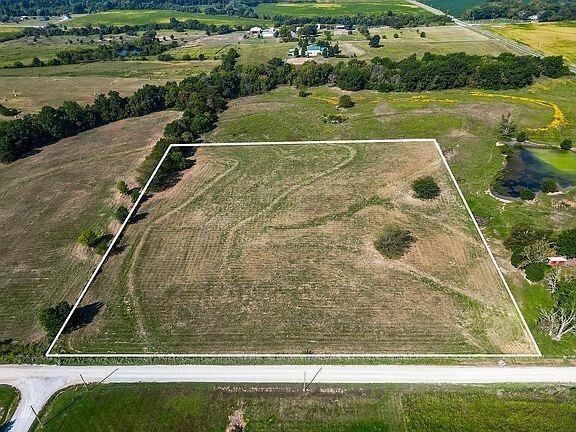
Your land’s advertised value and a buyer’s cash offer aren’t necessarily the same number.
You’ve probably seen it before.
A neighboring property is advertised for $75,000 an acre. An online valuation tool estimates your vacant land is worth $120,000. Someone down the road tells you they sold a similar parcel for considerably more than you expected.
So when a direct land buyer makes an offer, why might that number be different?
It’s a fair question—and one every landowner should understand before deciding whether to sell.
At TB Properties Buys Land, we believe sellers deserve to understand how a direct-buy offer is determined. Our goal isn’t to throw out a number and expect you to accept it. We want you to understand the factors that influence what we’re willing to pay and why an offer may differ from an estimated retail value.
Whether you own vacant land in Eastland County, TX, another county in Texas, or somewhere else across the United States, the same basic principle applies:
An estimated property value, an advertised asking price, and a direct cash offer represent three different things.
Let’s explain the difference.
1. Asking Price Is Not the Same as Market Value
One of the most common ways landowners estimate their property’s value is by looking at what similar properties are listed for online.
That makes sense. Looking at neighboring properties can provide a useful starting point.
But there’s an important distinction between an asking price and an actual sale price.
An asking price is what a seller hopes to receive. It doesn’t necessarily represent what a buyer will pay or what the property will ultimately sell for.
For example, imagine you own five acres outside Eastland County, TX.
You find another five-acre property nearby advertised for $85,000. It’s tempting to assume your property should be worth approximately the same amount.
But are the properties really comparable?
The other parcel may have:
- Better road frontage or established access
- More desirable terrain
- A different shape or configuration
- Available utilities
- Fewer restrictions
- A more desirable location
- Characteristics that appeal to a broader group of buyers
Even neighboring parcels can have meaningful differences.
We look beyond advertised prices to better understand what similar properties offer and how the local market may influence a realistic purchase price.
2. Online Land Valuations Are Estimates, Not Guarantees
Online property valuation tools have become increasingly popular.
You enter an address, parcel number, or location, and within seconds you may receive an estimated value.
These tools can be convenient, but they have limitations.
Many valuation systems rely on available public records, property characteristics, historical transactions, and automated estimates. They may not account for every detail that affects a particular parcel.
For vacant land, important considerations can include:
- Actual road access and whether it is legally established
- Property shape and configuration
- Terrain and drainage
- Restrictions or easements
- Utility availability
- Surrounding property uses
- Local buyer demand
- Physical or legal limitations
An online estimate may not recognize that a parcel has an unusual shape, difficult access, or other characteristics that could affect its marketability.
Likewise, it may not fully recognize features that make the property more attractive.
For landowners in Eastland County, TX, online valuations can be a helpful reference, but they shouldn’t be treated as a guaranteed selling price.
The same is true for rural properties throughout Oklahoma, Arkansas, Missouri, Tennessee, and other markets across the country.
A computer can estimate a value. A buyer has to evaluate the actual property.
3. Recent Comparable Sales Tell a More Complete Story
One of the ways we think about a property’s potential value is by considering comparable land sales.
Comparable sales are properties that have actually sold and share relevant characteristics with the property being evaluated.
Depending on what’s available, we may look at:
- Recent sales in the same area or county
- Similar acreage
- Comparable access
- Similar terrain and property configuration
- Similar surrounding uses
- Comparable property characteristics and potential uses
For example, a ten-acre tract in Eastland County, TX, may be compared with other ten-acre properties in the surrounding county.
But simply comparing acreage isn’t enough.
A ten-acre parcel with established road access and usable terrain may have a different market appeal than a ten-acre property with uncertain access or challenging topography.
We also consider how recently comparable properties sold. Land markets can change, and older transactions may not accurately reflect current conditions.
When possible, actual completed sales provide a more useful reference than simply comparing properties that are still listed for sale.
4. Location and Local Buyer Demand Matter
Land doesn’t have one universal price per acre.
Values can vary significantly between cities, counties, and states—even for properties with similar acreage.
A five-acre property outside Eastland County, TX, may appeal to buyers looking for a rural homesite. A five-acre parcel in a more remote area of West Texas may attract a different buyer interested in recreation or long-term land ownership.
Likewise, land near growing communities in North Texas may have a different buyer market than rural acreage in Oklahoma, agricultural property in Kansas, or wooded recreational land in Georgia.
When evaluating a potential purchase, we consider the local market rather than assuming that a price per acre from another area applies to every property.
Questions may include:
- What types of buyers are active in the area?
- Are buyers looking for smaller tracts or larger acreage?
- How much comparable land is currently available?
- What have similar properties actually sold for?
- Does the property offer characteristics that buyers in that market want?
A property’s location helps determine who may be interested in purchasing it and how competitive the market may be.
5. The Property’s Condition and Characteristics Influence the Offer
Two properties with the same acreage and similar locations may still have very different acquisition considerations.
That’s why we evaluate the individual property rather than relying on a price-per-acre calculation alone.
Some of the characteristics that may influence our evaluation include:
Access: Does the property have visible road frontage, practical access, and legally established access?
Terrain: Is the land relatively level, heavily wooded, steep, low-lying, or otherwise challenging?
Shape: Is the parcel configured in a way that makes it practical and appealing to potential buyers?
Utilities: Are electricity, water, or other services available nearby, and what would be required to connect them?
Restrictions: Are there recorded easements, deed restrictions, or other limitations that may affect potential use?
Surroundings: Is the property near residential development, agricultural land, recreational areas, or other uses that may influence buyer interest?
A parcel in Eastland County, TX, with straightforward access and a desirable configuration may present a very different buying opportunity than another parcel with the same acreage but additional limitations.
These details help us understand the property beyond its advertised or estimated value.
6. A Direct Cash Offer Accounts for the Costs and Responsibilities of Buying
Here’s another important distinction.
A retail land sale and a direct cash purchase are not necessarily structured the same way.
When someone lists land for sale through traditional channels, they may be willing to wait for the right buyer, negotiate over time, manage marketing, and navigate the traditional selling process.
A direct buyer evaluates the purchase from a different perspective.
We consider what it will take to acquire the property, complete the transaction, own it, and potentially resell it.
Depending on the property, those considerations may include:
- Purchase and closing expenses
- Title work and recording costs
- Property taxes and other ownership obligations
- Additional due diligence
- Potential survey or legal expenses
- Time and costs associated with holding the property
- Future marketing and resale expenses
These costs are part of the overall investment.
A direct cash offer must account for the economics of the entire transaction—not simply the estimated retail price of the land.
This is one reason a direct-buy offer may be lower than an online valuation or a seller’s expected retail price.
7. Why a Cash Offer May Be Different From What You Could Get on the Open Market
This is perhaps the most important distinction for landowners to understand.
A direct cash offer is an offer from a buyer who intends to purchase the property directly, rather than simply market it on your behalf.
That buyer is taking on the acquisition costs, responsibilities, and risks associated with ownership.
A traditional retail sale may potentially produce a higher selling price, but it can also involve additional time, marketing, negotiations, showings or property visits, and other responsibilities.
Neither approach is automatically right for every seller.
Some landowners prefer to pursue the highest possible retail price and are comfortable with the time and uncertainty that may come with that process.
Others prefer a direct transaction that offers a more straightforward path to selling without listing the property and waiting for a retail buyer.
For example, someone who owns inherited land in Eastland County, TX, may not want to spend months marketing a property they no longer use or live near.
An out-of-state owner with vacant acreage in another part of the country may value the convenience of working directly with a buyer and coordinating a professional remote closing.
The right decision depends on the seller’s priorities.
A fair cash offer isn’t necessarily the highest price someone might eventually pay. It’s an offer that reflects the property, the buyer’s costs and risks, and the terms of a direct purchase.
8. What Makes an Offer Fair?
We believe a fair offer should be based on a reasonable evaluation of the actual property and the opportunity to purchase it.
That means looking at more than one number or one online estimate.
A thoughtful evaluation considers:
- The property’s characteristics and condition
- Relevant comparable sales
- Current local market conditions
- Potential buyer demand
- Access, restrictions, and other property considerations
- Transaction and ownership expenses
- The risks and responsibilities associated with the purchase
It also means being willing to explain the proposed terms.
As a landowner, you should feel comfortable asking questions about an offer. You should understand the proposed purchase price, closing process, and any conditions that apply before deciding whether to move forward.
At TB Properties Buys Land, we want sellers to have a clear understanding of the transaction so they can make an informed decision.
9. Your Land May Be Worth More Than You Think—or Less Than an Online Estimate
Every property is different.
Sometimes an online estimate may undervalue a property because it doesn’t account for desirable characteristics or local demand.
Other times, an advertised asking price may create unrealistic expectations because the property has been listed for months without selling.
Neither number tells the complete story.
Whether your property is in Eastland County, TX, or a rural community somewhere else in the United States, the best starting point is understanding the actual property and its local market.
You don’t have to determine the perfect price before contacting us.
We can start with the information you have and evaluate whether the property may be a fit for a direct purchase.
The Bottom Line: Understand the Number Behind the Offer
Your land’s advertised value, online valuation, neighboring property’s asking price, and a direct buyer’s cash offer may all be different.
That’s because they represent different things.
An asking price reflects what a seller hopes to receive. An online valuation is an estimate based on available information. A direct cash offer reflects what a particular buyer is willing to pay after considering the property, the market, acquisition costs, potential risks, and investment criteria.
At TB Properties Buys Land, we believe landowners deserve to understand that distinction.
Whether you own vacant land in Eastland County, TX, another Texas county, or anywhere across the United States, we’re interested in learning about your property and determining whether a direct purchase makes sense.
Have land you’re thinking about selling?
Share your property information with TB Properties Buys Land and let us take a closer look.
You don’t have to list it, advertise it, or figure out its value on your own before starting the conversation.
A fair offer starts with understanding the land.
Inside TB Properties Buys Land: Real process. Clear answers. A closer look at how we buy land.