Inside TB Properties Buys Land Series:
You submitted your land information. Now what happens?
Maybe you inherited a vacant parcel from a family member. Maybe you own land in Panola County, TX, that you haven’t visited in years. Or perhaps you simply have property you’d rather turn into cash than continue paying taxes on.
Whatever brought you here, you’ve taken the first step: you’ve submitted your property information to TB Properties Buys Land.
So what happens next?
Do we immediately make an offer? Do we research the property? Will someone contact you? And how do we determine whether your land is a fit for our buying criteria?
We believe landowners should know what to expect when they reach out to a direct land buyer. That’s why we’re taking you behind the scenes to explain how the process begins.
Here’s a look at the steps involved in reviewing a property and determining what comes next.
Step 1: We Review the Information You Provide
The process starts with the details you share about your land.
Depending on what you have available, this may include:
- The property’s location or address.
- The county and state.
- The parcel identification number.
- The approximate acreage.
- Your name and contact information.
- Any information you can share about access, ownership, or the property’s history.
You don’t necessarily need to have every document in front of you to begin an inquiry. The information available to you helps us start identifying the property and determining what additional details may be useful.
For example, if you own vacant land in Panola County, TX, we may begin by using the location and parcel information to identify the property and review available records.
If you inherited the property or live outside the area, don’t assume you need to know every detail before reaching out. Questions about ownership, acreage, access, or documentation can be addressed as we learn more about the property.
The first step isn’t having every answer. It’s giving us enough information to begin the conversation.
Step 2: We Identify the Property and Begin Our Initial Review
Once we have enough information to identify the parcel, the next step is to begin evaluating the property.
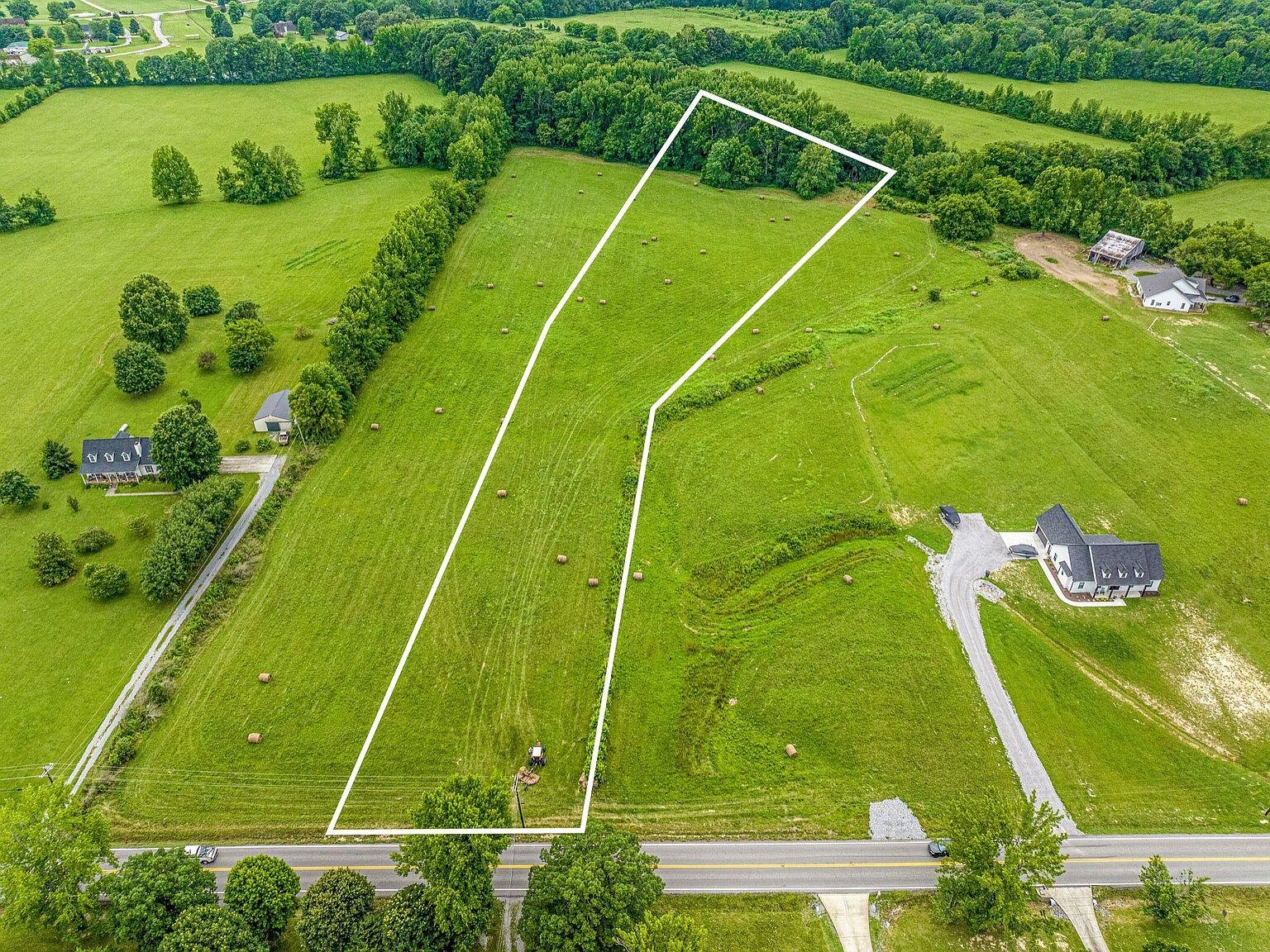
This initial review may include looking at available parcel maps, aerial imagery, public property records, and other information that helps us understand the land.
Depending on the property, we may consider factors such as:
- Location: Where the property is situated and the surrounding area.
- Acreage and configuration: The approximate size, shape, and layout of the parcel.
- Access: Available information about road frontage, access routes, and potential access concerns.
- Terrain and characteristics: What available maps and imagery suggest about the property’s physical features.
- Surrounding land uses: Nearby properties, development, and other characteristics that may affect marketability.
- Available property records: Information that helps identify ownership details or questions that may require further review.
Why do we look at these things?
Because not all vacant land is the same. Two parcels with similar acreage can have very different characteristics, potential uses, and market appeal.
A parcel’s location, legal access, shape, terrain, and surrounding area may all influence whether it fits our investment criteria.
At this stage, we’re building an initial understanding of the property. Online maps and public records are useful starting points, but they don’t always tell the whole story. Additional research may be needed before making a decision.
Step 3: We Determine Whether the Property Fits Our Buying Criteria
Not every property is the right fit for every buyer.
At TB Properties Buys Land, we evaluate properties based on their individual characteristics and whether they align with our investment criteria.
Some properties may be a strong fit for further consideration. Others may require additional information before we can evaluate them properly. And sometimes, a property simply won’t fit what we’re looking to purchase.
That’s a normal part of making responsible buying decisions.
For instance, a parcel may look appealing on an aerial map but raise questions about legal access. Another property may have a complicated ownership history that needs clarification. A third may be perfectly legitimate land but fall outside our current investment focus.
These situations are different, and each may call for a different next step.
Our goal is to understand the property before determining whether it makes sense to pursue a purchase.
We don’t believe that making an offer on every property is the best approach. We believe in evaluating the details and determining whether there’s a reasonable fit.
Step 4: We May Reach Out With Follow-Up Questions
Sometimes, the initial information provides a good starting point. Other times, we need to learn a little more.
If important details are missing or something needs clarification, we may contact you with follow-up questions.
For example:
- Are you the sole owner, or are there other owners or heirs involved?
- Do you know the approximate acreage or parcel identification number?
- Is there known road access to the property?
- Are there any outstanding property taxes or known title concerns?
- Do you have a deed, tax statement, or other property documentation available?
- Is there anything about the property we should know before evaluating it further?
Not every seller will be asked all these questions. The information needed depends on the property and what we can determine from the initial review.
If you don’t know an answer, that’s okay. Let us know what you do know, and we can determine whether additional information is necessary.
For example, if you’re selling inherited land in Panola County, TX, you may not know the full ownership history or whether additional estate documentation is required. Those details can be reviewed as the process develops.
The purpose of follow-up questions isn’t to make selling more complicated. It’s to help us understand the property accurately and identify issues that may need attention.
Step 5: We Determine the Appropriate Next Step
After the initial review and any necessary follow-up, we can determine how to proceed.
Depending on the property, the next step may be one of several things.
The property may warrant further evaluation.
We may need to review additional records, clarify specific details, or investigate questions about access, ownership, or other property characteristics.
We may have enough information to consider an offer.
If the property appears to fit our criteria and we have enough information to evaluate it, we can determine whether to pursue a purchase and what offer may make sense.
We may need more information before making a decision.
Sometimes, a missing document or unresolved question affects our ability to evaluate the property responsibly. We’ll need to determine what additional information is necessary.
The property may not be a fit for us.
Not every parcel will meet our buying criteria. If we determine that a property isn’t a fit, we want the seller to understand that rather than be left wondering about the status of the inquiry.
The specific steps and timing will vary depending on the property and the information available.
The important thing to understand is that submitting your information starts the evaluation process. It doesn’t obligate you to sell your land.
Step 6: If We Make an Offer, You’ll Have an Opportunity to Review It
If we determine that your property is a fit for a potential purchase, the next step may be an offer.
An offer gives you something concrete to evaluate.
You’ll want to understand the proposed purchase price, the written terms, any applicable conditions, the expected timeline, and how closing would be coordinated.
You should also feel comfortable asking questions before deciding whether to move forward.
A direct cash offer can be an alternative to listing land for sale, but it isn’t automatically the best choice for every owner. Depending on your circumstances, you may want to compare your options before making a decision.
At TB Properties Buys Land, we believe sellers should understand what they’re considering rather than feel pressured to accept an offer simply because it’s been presented.
An offer is an opportunity to consider your options—not an obligation to move forward.
Step 7: If We Move Forward, the Transaction Enters the Next Phase
If you accept an offer and the parties enter into a purchase agreement, the process moves beyond the initial property review.
Depending on the transaction, additional steps may include due diligence, title work, gathering required documents, resolving outstanding questions, and coordinating the closing.
A title company or other qualified closing professional may be involved in reviewing records, coordinating documents, facilitating the property transfer, and handling funds according to the agreed-upon arrangements.
Some properties move through these steps with relatively few complications. Others require additional research or documentation.
For example, selling inherited property may involve confirming ownership and determining whether additional estate documents or signatures are required. A parcel with a potential access issue may need further investigation.
The purpose of these steps is to help the parties understand the transaction requirements and work toward closing.
We’ll cover more of these behind-the-scenes activities in upcoming installments of the Inside TB Properties Buys Land series.
What If You Don’t Know Much About Your Property?
This is a common concern, especially for inherited landowners and people who live far from the property.
You may know the county where the land is located but not the exact acreage. You may have an old tax statement but no copy of the deed. Or you may have inherited a property without ever visiting it.
Don’t assume you need to solve every mystery before asking about a potential sale.
Start with the information you have.
A property address, parcel number, county, or approximate location may help identify the land. Additional records or documentation may be needed later, depending on the circumstances.
If ownership is unclear, multiple heirs are involved, or estate matters remain unresolved, those issues may require additional review or professional guidance before a sale can proceed.
The key is to be upfront about what you know and what you don’t know.
You don’t need to be a land expert to start a conversation about selling your land.
How to Get Started With TB Properties Buys Land
If you own vacant land in Panola County, TX, and are considering selling, the first step is straightforward: tell us a little about the property.
Share the information you have available, and we’ll use it as a starting point for the initial review.
From there, we can determine whether we need more details, whether the property may fit our buying criteria, and what the appropriate next step might be.
There’s no need to have every document organized before making an inquiry. Just be prepared to share what you know and answer any follow-up questions that may help us understand the property.
We know that landowners come to us in different situations. Some have owned their property for decades. Others inherited it unexpectedly or live too far away to manage it easily.
Our goal is to make the initial process understandable and help you explore whether a direct sale is a good option for you.
The Bottom Line: One Simple Step Starts the Process
Submitting your property information doesn’t mean you have committed to selling. It means you’ve opened the door to finding out whether a direct sale makes sense.
Behind the scenes, the process begins with identifying the property, reviewing available information, considering whether the land fits our criteria, and determining what questions need answers.
If the property is a potential fit, we can explore the next steps. If more information is needed, we’ll determine what would help. And if the property isn’t right for us, not every inquiry will lead to an offer.
That’s how a thoughtful buying process begins: with information, evaluation, and communication.
You submitted your land information. Now what happens?
We start by learning about your property.
If you’re ready to explore a direct sale, visit TB Properties Buys Land and submit your property information. Let’s start with what you know and go from there.