Inside TB Properties Buys Land Series:
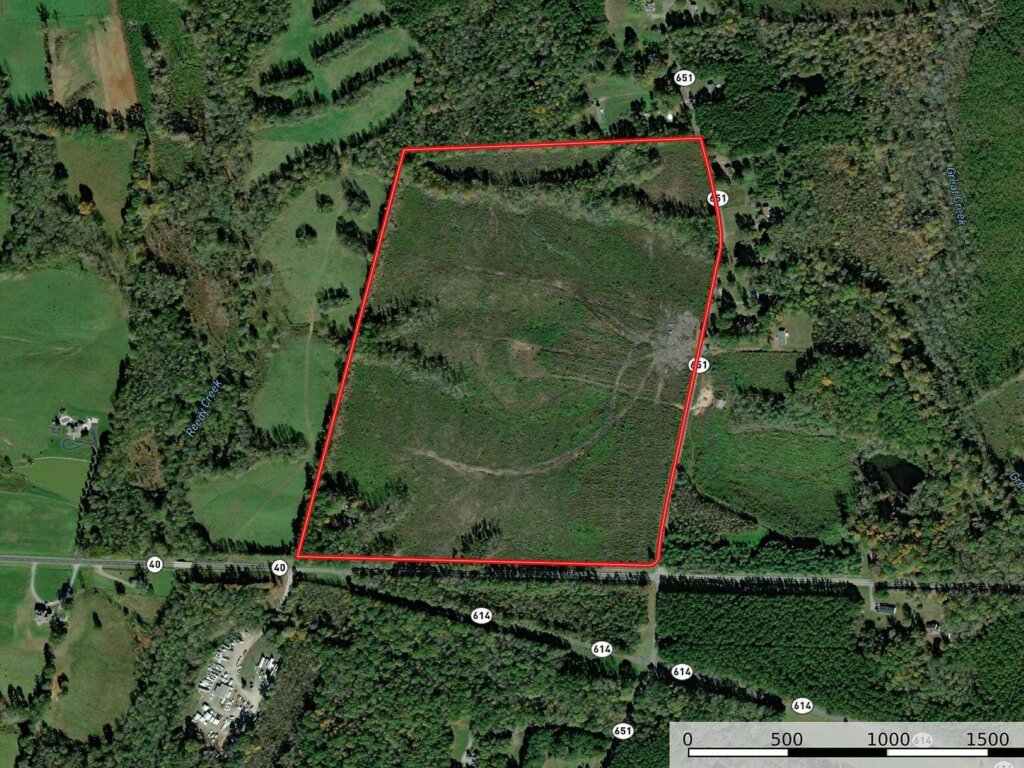
Two neighboring parcels can look alike on a map—and be worth very different amounts.
At first glance, two pieces of vacant land may seem nearly identical. They may sit on the same road, have similar acreage, and share the same general surroundings.
But a closer look can reveal important differences.
One parcel may have clear road access while the other has access limitations. One may have usable terrain, while the other has steep slopes or drainage concerns. One may be easier to market to a future buyer, while the other requires additional research before anyone can determine its best use.
At TB Properties Buys Land, we look beyond the map when evaluating a property for a potential direct purchase. Our goal is to understand what we’re buying, identify relevant considerations, and determine whether the property fits our buying criteria.
If you’re considering selling vacant land in Lavaca County, TX, here’s a closer look at the factors that may influence our offer.
1. Location: Where Is the Property?
Location is about more than a city or county name.
We consider where a parcel sits, what’s around it, and how its location may influence its appeal to potential buyers. Nearby roads, surrounding properties, established communities, and the character of the area can all provide useful context.
Two parcels with similar characteristics may attract different levels of interest simply because of where they’re located.
For landowners in Lavaca County, TX, the surrounding area is one of the first pieces of the puzzle—but it isn’t the whole picture.
2. Access: Can Someone Legally and Physically Reach the Land?
Access can be one of the most important factors in a land evaluation.
We may look at whether a property appears to connect to a public road, whether legal access is documented or needs further verification, and whether the physical route to the property presents any obvious concerns.
A parcel that appears to touch a road on an aerial map may still require additional research to establish its legal access. In other cases, the route may exist legally but be difficult to use physically.
Because access can affect how a property is used and marketed, uncertainty in this area may influence our evaluation and the terms of a potential offer.
3. Acreage and Configuration: How Is the Land Laid Out?
Acreage matters, but the total number of acres doesn’t tell the entire story.
We also consider the property’s shape, dimensions, layout, and configuration. A parcel’s boundaries may make it easier or more difficult to access, use, divide, or market.
For example, a well-shaped tract may appeal to a broader range of buyers than a narrow or irregularly shaped parcel with the same acreage.
Larger parcels aren’t automatically more attractive, and smaller parcels aren’t automatically less valuable. The right size depends on the property, its location, and the buyers it may appeal to.
4. Terrain: What Does the Land Look Like on the Ground?
Maps and aerial imagery can help us begin evaluating a property, but they don’t always tell the whole story.
Terrain can influence how usable a parcel may be. Depending on the property, we may consider:
- Slope and topography
- Drainage patterns and potential low-lying areas
- Vegetation and the general condition of the land
- Physical features that could limit access or practical use
Flat, open land may suit some buyers, while rolling or wooded terrain may appeal to others. The important question is how the property’s physical characteristics align with its potential market.
Additional information or on-the-ground review may be needed when maps alone don’t provide enough clarity.
5. Marketability: Who Might Want to Buy This Property?
A property can be appealing to its current owner without being equally appealing to every potential buyer.
As a direct land buyer, we consider how a parcel might be positioned in the market. Could it appeal to someone looking for recreational land, a homesite, a rural retreat, or another use? Are there features that could broaden its appeal—or limitations that might narrow the pool of interested buyers?
We also consider how straightforward the property may be to explain, evaluate, and resell.
Marketability isn’t a guarantee that a property will sell for a particular price. It’s part of understanding the potential demand for the land and the work or uncertainty that may come with owning it.
6. Property Records: What Does the Available Information Tell Us?
A property’s records can reveal details that aren’t obvious from a map.
Depending on the parcel, our review may include available public records and information related to ownership, parcel boundaries, property taxes, access, and other relevant matters.
We may need to clarify details such as the parcel identification number, acreage, ownership history, or whether the information available is consistent with what we’ve been told.
A question or discrepancy doesn’t necessarily mean we won’t buy the property. It may mean we need more information before deciding how to proceed.
The goal is to understand the property as clearly as reasonably possible before moving forward.
7. Potential Use: What Could the Land Be Used For?
Potential use can influence who might be interested in a property and how it could be marketed.
Depending on its characteristics, a parcel might appeal to buyers interested in recreation, rural living, a homesite, holding land for the future, or another use.
However, we don’t assume a property can be developed, subdivided, or used for a particular purpose just because it appears suitable on a map. Zoning, deed restrictions, access, utilities, environmental considerations, and local requirements may affect what’s actually possible.
When potential use is an important part of the evaluation, additional verification may be necessary.
We focus on what the available information supports—not simply what someone hopes the property could become.
How Do These Factors Affect a Direct-Buy Offer?
There isn’t one formula that determines what every piece of land is worth.
Instead, we consider the property as a whole. Location, access, acreage, terrain, marketability, records, and potential use can interact in different ways. Some factors may make a property more attractive, while others may introduce costs, uncertainty, or limitations that need to be considered.
We also evaluate whether the property fits our buying criteria and whether we can make an offer that works for our business.
That’s an important distinction: a direct-buy offer isn’t necessarily the same as a property’s estimated retail listing price. A direct buyer evaluates the purchase from the perspective of acquiring the property, accounting for its characteristics, the work involved, and the risks and opportunities associated with owning it.
Not every factor carries equal weight in every transaction, and not every parcel will be a fit.
What If You Don’t Know Much About Your Land?
You don’t need to be an expert in property records, access requirements, or land values to start a conversation with us.
If you own vacant land in Lavaca County, TX, and you’re considering selling, begin with the information you have. The property’s location, parcel number, approximate acreage, and anything you already know about its history or access can help us get started.
If we need additional details, we can discuss what may be helpful.
Submitting your information doesn’t obligate you to sell. It simply gives us an opportunity to learn more about the property and determine whether a direct purchase may make sense.
A Closer Look Leads to a Better-Informed Offer
Two neighboring parcels can look alike on a map and still present very different opportunities.
That’s why we look beyond acreage alone. We consider the property’s location, access, physical characteristics, available records, marketability, and potential use before deciding whether to make an offer.
At TB Properties Buys Land, we believe a straightforward land sale starts with understanding what you’re selling—and explaining the process clearly.
Have vacant land in Lavaca County, TX, you’re thinking about selling?
Share your property information with TB Properties Buys Land to start the conversation about a potential direct purchase.
Inside TB Properties Buys Land: Real process. Clear answers. A closer look at how we buy land.